
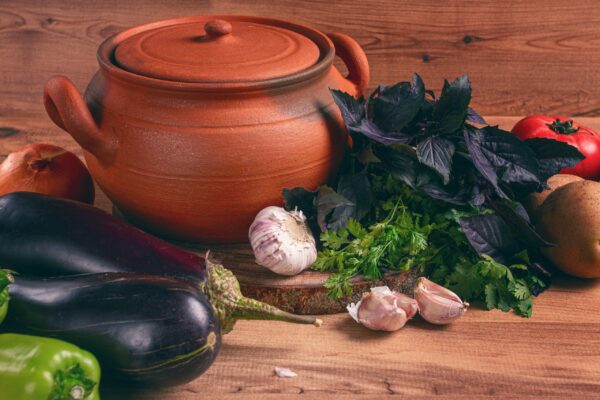
In hot rural areas without reliable electricity, a natural refrigerator helps families store food and medicine using evaporation cooling from clay containers. The device works without fuel or a compressor, reduces spoilage, protects basic health supplies, and supports daily survival in low–income communities where high temperature and unstable power create constant storage risks.
Natural Refrigerator Design and Cooling Principle
The natural refrigerator is built from simple and local materials. The most common model uses two clay pots of different sizes. The smaller pot is placed inside the bigger one. The empty space between walls is filled with clean wet sand. Water is added to sand regularly. When water evaporates, it removes heat from the inner chamber. Because of this physical process, the temperature inside becomes lower than the outside air.
Cooling level depends on climate. In dry and hot regions, temperature reduction can reach 10–15°C. In humid climates, the effect is weaker because the air already contains moisture. Good ventilation increases evaporation speed. Direct sun exposure reduces performance.
Main structural elements are:
- Outer porous clay pot
- Inner storage pot with tight lid
- Layer of wet sand between walls
- Cotton cloth cover for shade
The device must stand in a shaded and airy place. Ground contact should be stable. Sand must stay moist but not flooded. If clay cracks appear, cooling efficiency decreases.
Materials and Local Production

Clay is a traditional material in many regions. It has holes in it that let water slowly evaporate. Local artisans often make pots using simple kiln techniques. Compared to electric refrigerators, the cost of making these is low. There is no need for any imported parts.
Construction steps usually include:
- Selection of two pots with the correct size difference.
- Placement of the inner pot inside the outer one.
- Filling gap with clean sand.
- Adding water and covering with cloth.
This process does not require advanced technical knowledge. Communities can build devices independently. Because the design is simple, repairs are easy.
Social and Health Impact in Low–Income Communities
The natural refrigerator plays an important role in food preservation. Vegetables remain fresh longer. Milk spoils slower. Cooked meals can be stored for an additional day. For families living far from markets, such storage reduces waste and financial loss.
Medical use is also significant. Some medicines lose stability at high temperatures. Vaccines in rural clinics need moderate cooling when electricity fails. The natural refrigerator cannot replace professional medical refrigeration, but it provides a temporary solution during power cuts.
Benefits observed in communities include:
- Reduction of daily food waste
- Better nutrition from preserved vegetables
- Support for small market sellers
- Protection of temperature–sensitive medicines
Economic effect is visible. Families spend less money replacing spoiled products. Small traders can extend the selling period. Farmers decrease postharvest losses during the hot season.
Limitations and Environmental Factors

The natural refrigerator has clear limits. It cannot reach freezing temperatures. Meat storage is short term only. Performance decreases during the rainy season when air humidity is high. A regular water supply is necessary for stable cooling.
Maintenance is simple but important. Sand must be clean to avoid contamination. The inner pot should be washed frequently. Cloth cover must stay damp and free from dust. Without proper care, hygiene problems may appear.
The device generates no emissions while operating from an environmental standpoint. It is independent of grid electricity. This autonomy is advantageous for areas with unreliable infrastructure. The technology uses physical principles instead of a mechanical system.
The natural refrigerator represents a combination of traditional knowledge and basic thermodynamics. It responds to practical needs of low–income communities facing heat and limited energy access. While it does not replace modern refrigeration, it reduces vulnerability in everyday life.
Cooling by evaporation is a simple concept, yet the social effect is measurable. Food lasts longer. Some medicines remain usable during emergencies. Financial pressure from spoilage becomes lower. For communities with limited resources, this device remains a functional, affordable, and locally adaptable solution.
Comments are closed