
In Yemen, where electricity shortages affect schools and neighborhoods, a group known as Creative Generation shows how students design and distribute clean energy solutions. The initiative explains who participates, what technologies are created, where projects operate, when support becomes critical, why renewable systems matter, and how young innovators respond to daily power cuts.
Creative Generation and the Clean Energy Context
Electricity supply in Yemen has been unstable for many years. Armed conflict and damaged infrastructure reduced access to grid power. In many cities and rural districts, families rely on small generators or live without consistent lighting. Schools face interruptions in lessons because classrooms remain dark or computers cannot operate.
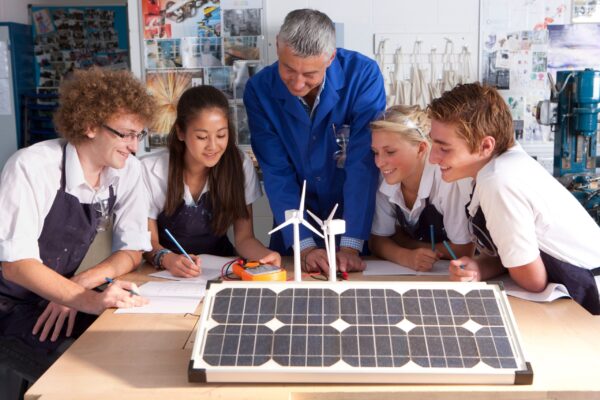
Creative Generation is a student–driven initiative formed by young engineers and university learners. Their objective is practical–to develop small–scale renewable systems that answer local needs. Solar energy becomes the primary focus because Yemen has high solar radiation during most of the year.
The group studies technical principles of photovoltaic panels, battery storage, and charge controllers. They assemble affordable systems using available materials. Projects often begin inside university laboratories, then expand into community spaces such as schools, clinics, and public streets.
Main energy problems students work on are
- Schools have no stable light.
- Fuel for private generators is very expensive.
- There are limited locations where devices can be reliably charged.
- Dark public places pose safety risks.
Solar technology provides a realistic alternative. Panels convert sunlight into electricity. Energy is stored in batteries for evening use. Simple wiring connects lights or small devices.
Student Innovation and Technical Approach
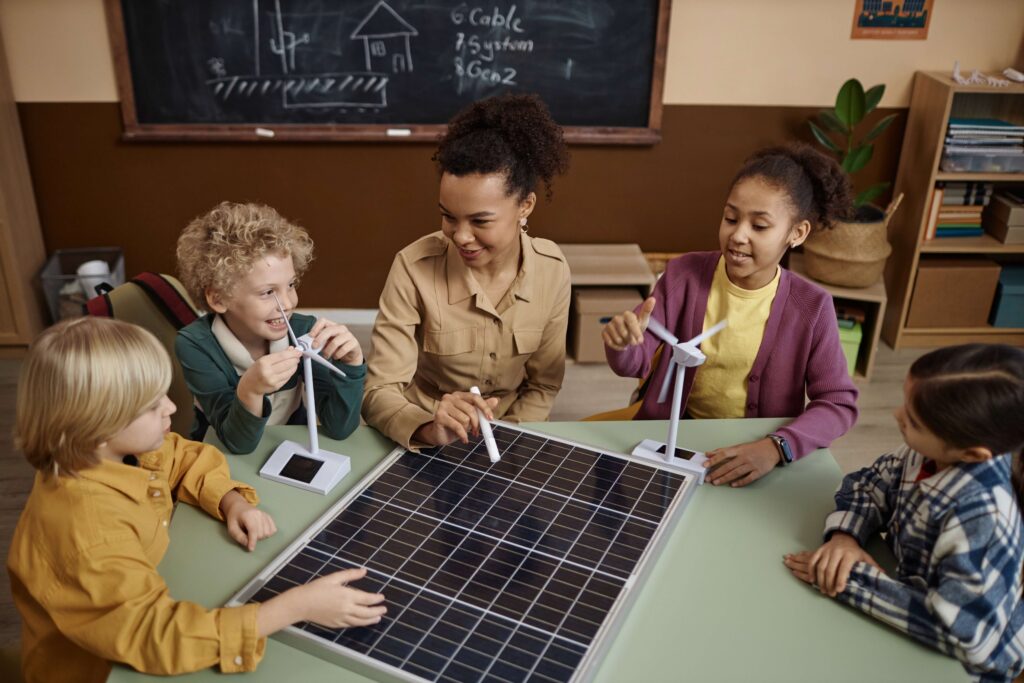
Creative Generation members combine theory with field practice. Engineering students calculate energy demand before installing equipment. They measure watt consumption of lamps, estimate daily sunlight hours, and select battery capacity according to need.
Typical project development includes:
- Assessment of location and energy requirement.
- Design of small photovoltaic system.
- Installation of panels and battery storage.
- Community training on maintenance.
This structured method helps reduce technical mistakes. Students also adapt design to financial limits. When the budget is low, they prioritize essential lighting rather than complex systems.
Safety standards remain important. Proper insulation and stable mounting structures prevent accidents. Even in resource–constrained environments, technical discipline is respected.
Clean Energy Impact on Education and Community
Lighting classrooms changes learning conditions. Students can study during evening hours. Teachers use digital materials when the power supply becomes more stable. Small laboratories operate basic equipment without interruption.
Community benefit extends beyond schools. In some neighborhoods, solar streetlights increase security at night. Shops can remain open longer. Phone charging stations powered by solar panels reduce dependency on diesel generators.
Observed outcomes of clean energy installations include:
- Extended study hours for students.
- Lower spending on fuel purchases.
- Reduced noise from generators.
- Improved sense of safety after dark.
Environmental effect is also important. Diesel generators make smoke and loud noise. Solar systems work quietly and make no direct smoke. In places with already many problems, less pollution helps health in a positive way.
Barriers and Sustainability Questions
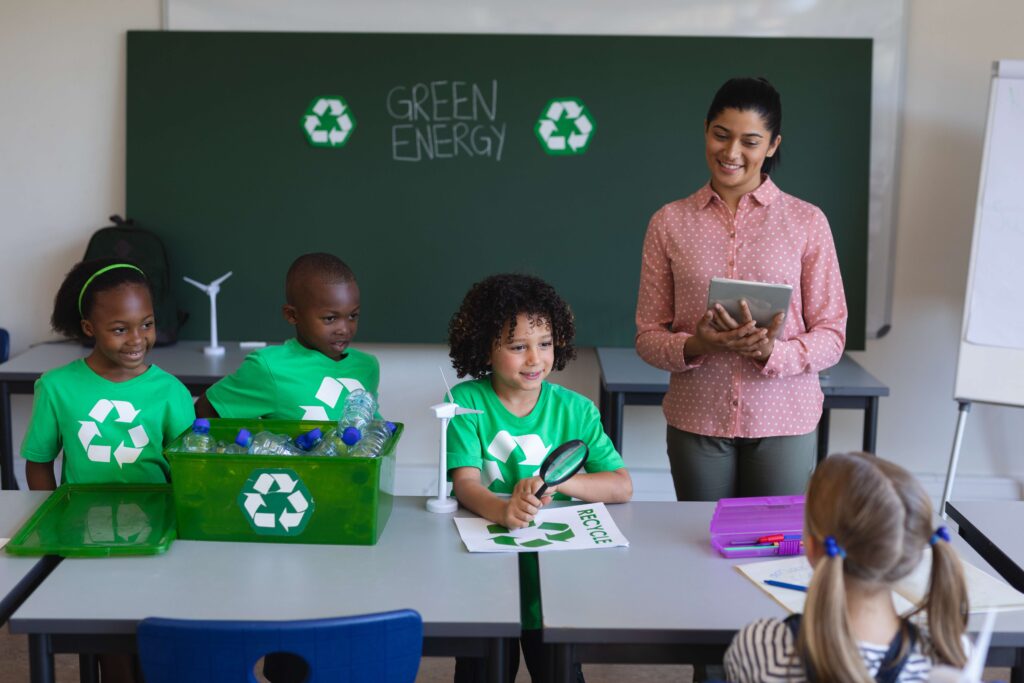
Despite progress, challenges remain. Solar equipment can be expensive when imported. Transport logistics are complicated due to damaged roads. Battery lifespan is limited, and replacement cost may burden communities.
Maintenance knowledge is essential. Without basic technical training, systems degrade quickly. Creative Generation often organizes workshops to explain battery care and panel cleaning. Dust accumulation on panels reduces efficiency, especially in desert climates.
Financial sustainability depends on partnerships. Local donations, university support, and small grants help launch projects. Long–term expansion requires stable funding channels. Political instability also influences project continuity.
Creative Generation demonstrates how youth initiative can respond to infrastructure crises. Instead of waiting for national grid reconstruction, students implement localized renewable systems. Their work does not solve the entire energy shortage of Yemen, but it provides targeted relief.
The initiative represents a model of community–based engineering. Knowledge gained in the classroom is applied directly in streets and schools. Technical education becomes a practical instrument for social support.
Clean energy in Yemen remains connected to broader reconstruction efforts. Renewable solutions are not only an environmental choice but also a necessity in the context of limited fuel access. Through Creative Generation, young people show that innovation is possible even during conflict.
By putting up solar panels, teaching people, and sharing technical skills, students help make communities stronger. Their projects give light to classrooms, make small devices work and show a different future for local energy. When things are uncertain, these works give clear and visible change for communities with daily electricity problems.
Comments are closed