
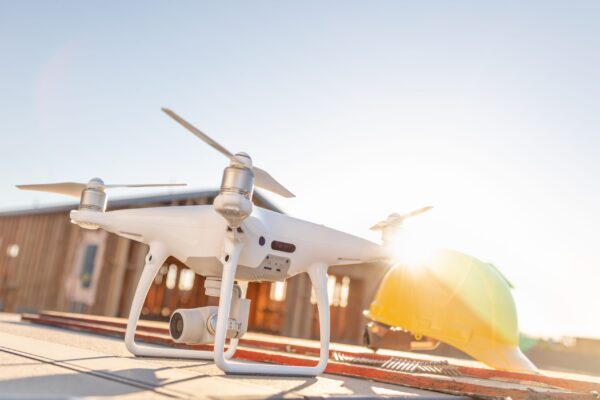
On busy coasts where every second can save a life, lifeguard drones help rescue teams. It finds swimmers in trouble and drops flotation devices from the air. This technology shows who uses it, what tools, where it works best, when it is needed in an emergency, why fast air response is important, and how drones help normal coastal rescue work.
Lifeguard Drone Technology and Equipment
Coastal rescue usually needs trained lifeguards to watch beaches from towers or boats. Strong water, big waves, and wide swimming areas make it hard to watch. Lifeguard drones give a view from the air and see more than human eyes can.
The device is an unmanned aerial vehicle equipped with camera systems and a release mechanism for flotation aids. High–resolution cameras transmit real–time video to operators on shore. Some models include thermal imaging sensors, useful during low–light conditions or cloudy weather.
Core technical components include
- Multi–rotor drone platform.
- Stabilized high–definition camera.
- GPS navigation and remote control system.
- Release system for inflatable flotation device.
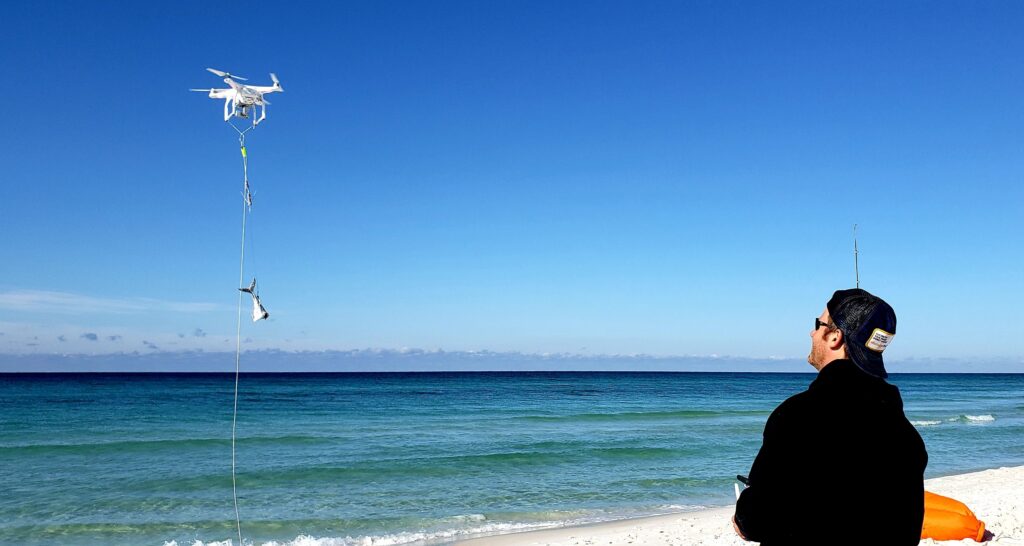
When a swimmer is identified in difficulty, the operator guides the drone above the location. The drone drops an inflatable rescue pod. The person in the water can hold onto the flotation aid until lifeguards reach the area by boat or swimming approach.
Detection and Response Process
The response sequence follows organized steps:
- The process begins with the visual identification of potential distress situations.
- The situation is confirmed through a camera zoom and subsequent monitoring.
- Launch of drone from prepared station.
- The flotation device is delivered near the swimmer.
Time reduction is a central advantage. A drone can reach a target faster than a lifeguard running across a crowded beach. In strong rip currents, immediate flotation increases survival probability.
Operational range depends on battery capacity and wind conditions. Most coastal drones operate within several kilometers from the base station. Flight time is usually limited to 20–30 minutes, requiring careful mission planning.
Coastal Rescue Integration and Public Safety Impact
A lifeguard drone does not replace a human rescuer. It supports a coordinated emergency system. Beach authorities integrate drone operations with radio communication and medical response teams. Video feed helps decision–making before physical contact with the victim.
The impact on public safety is visible during peak tourist season. Large beaches with thousands of visitors are difficult to supervise. Aerial monitoring increases coverage and reduces blind zones created by waves or crowd density.
Benefits observed in coastal operations include:
- Aerial monitoring enables a quicker response to swimmers in danger.
- Improved situational awareness for rescue teams.
- This results in a decreased physical risk for lifeguards.
- The monitoring area along the shoreline has been extended.
Data recording also contributes to safety analysis. Footage can be reviewed to study patterns of rip currents or frequent hazard zones. Authorities adjust warning signs and patrol positions based on collected information.
Technical and Environmental Limitations
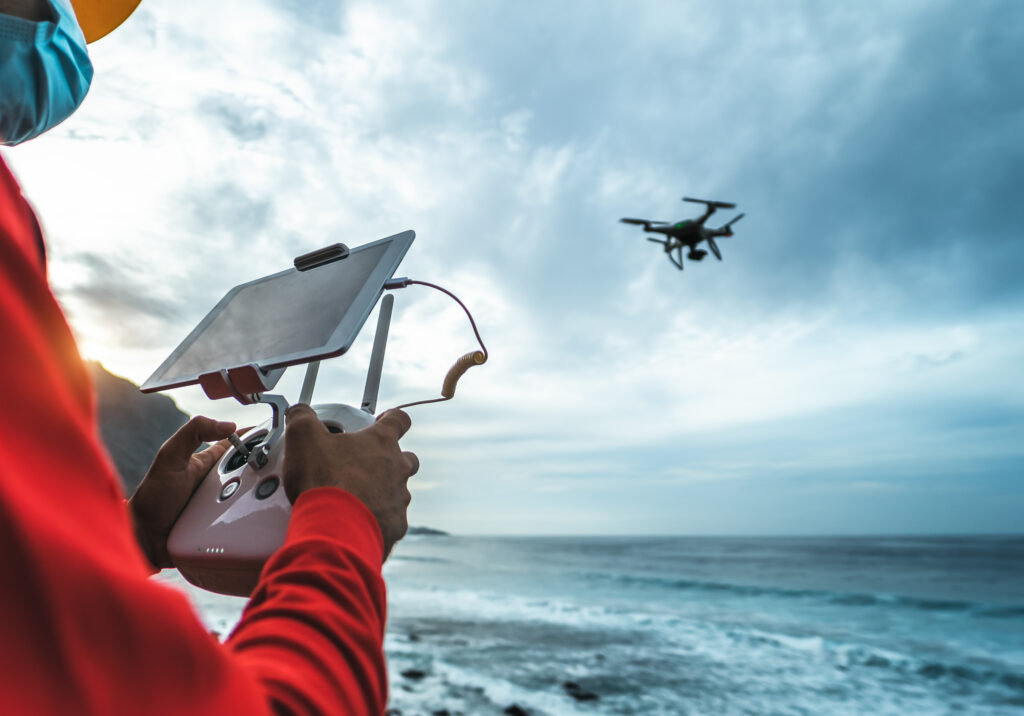
Drone operations depend on weather stability. Strong wind, heavy rain, or salt spray can interfere with flight control. Regular maintenance is required because the marine environment causes corrosion on metal parts and electronics.
Battery management remains an operational constraint. After each mission, a charging cycle is necessary. Backup units are often prepared to ensure continuous availability. Training of operators is also essential. Incorrect navigation can lead to a crash or inaccurate delivery.
Privacy considerations appear when cameras monitor public beaches. Authorities must define clear operational rules and limit recording to emergency situations. Transparency about drone use supports public acceptance.
The lifeguard drone represents the adaptation of unmanned technology to humanitarian purposes. Originally developed for surveillance and industrial inspection, drones now contribute to water safety.
In places with strong water and big beaches, every second matters. Giving a flotation device fast helps keep a person safe before a real rescue. Even if final help needs a trained swimmer or boat crew, first support makes the victim less panicked and tired.
Coastal towns keep trying new drones with better sensors and longer batteries. As technology grows, the connection between drones and emergency networks becomes stronger. Lifeguard drones show how new ideas can help normal lifesaving, make work faster, and protect more people near the sea.
Comments are closed